A healthy diet is not about eating perfectly or following a strict food plan. It is about giving your body a wide range of nutrients while building eating habits that you can maintain for years. A good healthy eating pattern includes vegetables, fruits, whole grains, protein-rich foods, healthy sources of fat, and enough fluids. At the same time,it keeps foods high in added sugars, sodium, and saturated fats from taking over your everyday meals.
Your food choices can affect much more than your weight. A nutritious eating pattern supports energy, digestion, muscle maintenance, brain function, immune health, and overall health. Over time, consistently choosing nutritious foods can also support disease prevention and reduce the risk of several diet-related health problems. The important point is consistency. You do not need a perfect plate at every meal. What matters most is the overall pattern you follow across days, weeks, and months.
What Is a Healthy Diet and Why Does It Matter?
A healthy dietary pattern provides enough energy and nutrients for your body while limiting foods that can be harmful when consumed too often or in large amounts. Your body needs macronutrients, such as carbohydrates, protein, and fat, as well as micronutrients, including vitamins and minerals. Water is also essential for normal body function.
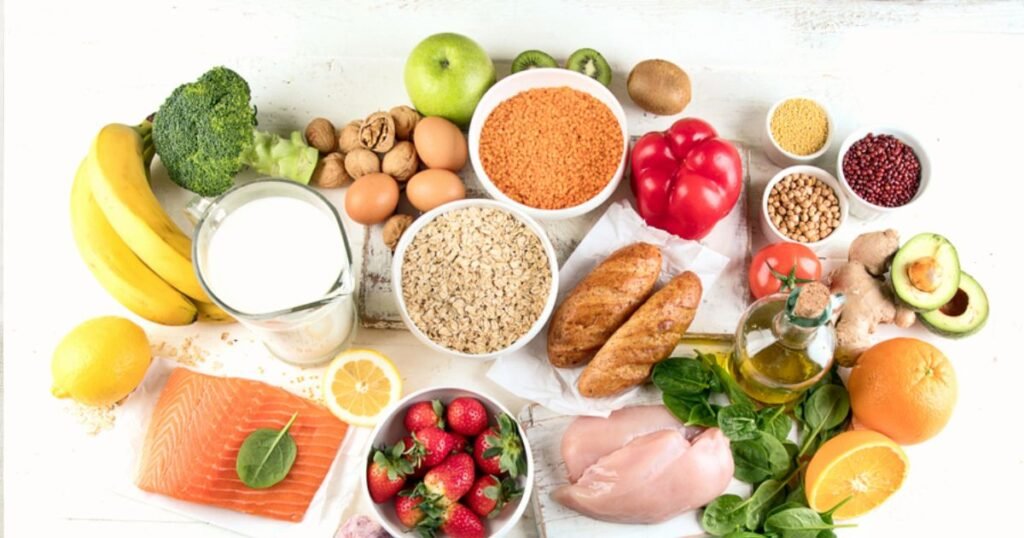
A truly balanced diet contains foods from different food groups because no single food provides everything your body needs. Vegetables can supply potassium, folate, vitamin C, and fiber. Whole grains can provide complex carbohydrates and dietary fiber. Protein foods provide amino acids needed for muscle and tissue maintenance. Nuts, seeds, avocado, olive oil, and some fish provide beneficial fats.
Healthy eating also matters because diet quality can influence the risk of chronic disease. A diet dominated by refined carbohydrates, sugary beverages, excess sodium, and foods high in unhealthy fats may contribute to health problems over time. In contrast, a pattern built around whole foods, fruits, vegetables, legumes, whole grains, seafood, lean proteins, and other nutrient-rich choices can support cardiovascular health, healthy blood pressure, and a healthy weight.
The relationship between food and health isn’t simply about one nutrient. Think of your diet as a team. Fiber, potassium, protein, unsaturated fats, vitamins, minerals, and other nutrients work together. That’s why dietary patterns generally matter more than individual “superfoods.”
What Makes a Diet Healthy and Balanced?
A healthy eating pattern should provide adequate nutrition without relying heavily on foods with little nutritional value. Dietary diversity is especially important because different foods contain different combinations of essential nutrients.
For example, spinach provides folate and vitamin K, beans provide protein and fiber, salmon provides protein and omega-3 fatty acids, and oranges provide vitamin C. Eating a diverse diet makes it easier to obtain a broad range of nutrients.
Healthy eating should also fit your lifestyle. Your age, activity level, culture, budget, food preferences, and health needs all matter. The healthiest plan is rarely the most restrictive one. It is the one you can follow consistently while still enjoying your meals.
What Are the Main Components of a Healthy Diet?
The main components of a nutritious diet include carbohydrates, protein, fats, vitamins, minerals, fiber, and water. These nutrients perform different jobs, so removing an entire nutrient category without a medical reason can make it harder to meet your nutritional needs.
Carbohydrates
Carbohydrates are one of the body’s main sources of energy. They occur naturally in fruits, vegetables, grains, beans, peas, and other foods. The quality of carbohydrate matters. Foods such as oats, brown rice, beans, lentils, potatoes, fruit, and vegetables provide carbohydrates alongside fiber and other nutrients.
These foods contain many complex carbohydrates, which digest more slowly than highly refined carbohydrate sources. Dietary fiber also supports digestive health and can help you feel satisfied after meals.
There is no need to automatically treat carbohydrates as unhealthy. Instead, focus on where your carbohydrates come from. A bowl of oatmeal with berries and nuts offers a very different nutritional profile from a sugary pastry and sweetened beverage.

Protein
Protein helps build and maintain muscles, bones, skin, enzymes, hormones, and other body structures. Good protein choices include fish, poultry, eggs, lean meats, beans, lentils, tofu, yogurt, nuts, and seeds.
Eating protein throughout the day can also help make meals more satisfying. Your exact protein needs depend on factors such as age, body size, physical activity, and life stag
Healthy Fats
Dietary fat is essential. Your body needs fat for cell structure, hormone production, energy storage, and absorption of vitamins A, D, E, and K. Focus more often on healthy fats and unsaturated fats found in foods such as olive oil, avocado, nuts, seeds, and fish. Fatty fish can also provide omega-3 fatty acids, which play important roles in normal heart and brain function.
At the same time, moderate your intake of saturated fats and avoid industrial Tran’s fats as much as possible. The overall quality of your diet matters more than simply trying to remove all dietary fat.
Vitamins and Minerals
Vitamins and minerals help your body perform hundreds of important functions. Iron supports oxygen transport, calcium contributes to bone health, potassium helps normal nerve and muscle function, and folate is important for cell division and growth.
Eating a variety of fruits, vegetables, whole grains, beans, nuts, seeds, dairy or fortified alternatives, seafood, eggs, and other nutritious foods can help support your daily nutrient intake.
The 5 Major Food Groups and What They Provide
The USDA My Plate approach divides foods into five major food groups: fruits, vegetables, grains, protein foods, and dairy. This framework makes healthy meal planning easier because it gives you a simple way to think about variety and balance.
| Food Group | Examples | Important Nutrients |
| Fruits | Apples, berries, oranges, bananas | Fiber, vitamin C, potassium, plant compounds |
| Vegetables | Spinach, broccoli, carrots, peppers | Fiber, folate, potassium, vitamins |
| Grains | Oats, brown rice, whole-wheat bread | Carbohydrates, fiber, B vitamins |
| Protein Foods | Fish, eggs, beans, poultry, tofu | Protein, iron, zinc, healthy fats |
| Dairy/Fortified | Milk, yogurt, cheese, fortified soy milk | Calcium, protein, vitamin D |
Fruits and Vegetables
Fruits and vegetables are important parts of a nutritious diet because they provide fiber, vitamins, minerals, and naturally occurring plant compounds. Eating different colors can make your meals more varied and may increase the range of nutrients you consume.
Fresh produce is excellent, but frozen and canned options can also be nutritious. Frozen vegetables can be especially convenient because they last longer and require little preparation.
Whole grains
Include foods such as oats, barley, brown rice, quinoa, and whole-wheat products. They contain more of the grain’s natural components than refined grains.
Whole grains can contribute carbohydrates, fiber, vitamins, and minerals. Replacing some refined grains with whole grains is a simple way to improve the nutritional quality of many meals.
Protein Foods
Protein foods include seafood, poultry, eggs, beans, peas, lentils, nuts, seeds, tofu, and lean meats. Choosing different protein sources throughout the week supports dietary diversity and gives you access to different nutrients.
Plant-based protein foods can be especially useful because beans, lentils, nuts, and seeds can provide both protein and fiber.
Dairy and Fortified Alternatives
Milk, yogurt, cheese, and fortified alternatives can contribute calcium, protein, vitamin D, and other nutrients. For people who avoid dairy, fortified soy beverages and other fortified alternatives can help provide some of these nutrients.

How Much Should You Eat Each Day?
There isn’t a single calorie or portion target that works for every adult. Your calorie intake depends on factors such as age, sex, body size, physical activity, and life stage. Your energy intake needs to match the energy your body uses over time to maintain body weight, although individual goals can change that balance.
You also don’t need to count every calorie to eat well. Paying attention to food quality, hunger, fullness, and portion sizes can be more practical for many people.
Understanding Portion and Serving Sizes
A portion is how much food you choose to eat. A serving is a standardized amount used on food labels and nutrition guidance. These aren’t always the same.
Restaurant portions can be much larger than standard serving sizes. If a meal looks unusually large, you can save part for later instead of feeling pressured to finish everything.
How Much Fruit and Vegetables Do You Need?
Your recommended intake varies according to your individual calorie needs. Rather than chasing one universal number, aim to make vegetables and fruits regular parts of meals and snacks.
Adding berries to oatmeal, spinach to eggs, vegetables to sandwiches, or fruit to yogurt are simple ways to increase your intake without making meals complicated.
Understanding Energy Balance
Energy balance refers to the relationship between the energy you consume through food and drinks and the energy your body uses. Your body requires energy for basic functions even when you’re resting. Physical activity adds to your daily energy needs.
Weight is influenced by many factors, including genetics, sleep, physical activity, medications, stress, and health conditions. Therefore, healthy eating should focus on overall health rather than calories alone.
Which Foods Should You Limit or Eat Less Often?
Healthy eating doesn’t require a strict list of forbidden foods. Instead, foods that are high in added sugar, sodium, saturated fat, and calories but low in nutrients should generally appear less often in your diet.
This doesn’t mean you can never enjoy dessert, chips, pizza, or other favorite foods. A healthy dietary pattern has room for flexibility. What matters is how frequently these foods appear and whether they replace more nutritious choices.
Added Sugars and Sugary Foods
Added sugars are added to foods and drinks during processing or preparation. Common sources include desserts, candy, sweetened cereals, flavored drinks, and many packaged snacks.
Sugary beverages deserve special attention because they can add a large amount of sugar without providing much fullness. Soda, sweetened tea, energy drinks, and some specialty coffee beverages can contribute significant amounts of added sugar.
Choosing water, sparkling water, or unsweetened drinks more often is an easy change.
Sodium and High-Sodium Foods
Your body needs sodium, but too much can contribute to high blood pressure in sensitive individuals and increase cardiovascular risk. Many people get substantial sodium from packaged and restaurant foods rather than simply adding salt at the table.
Common high-sodium foods include processed meats, salty snacks, canned soups, sauces, frozen meals, and some restaurant dishes. Comparing Nutrition Facts labels can help you identify lower-sodium options.

Saturated and Trans Fats
Saturated fats occur naturally in foods such as butter, cheese, fatty meats, and some tropical oils. They can be part of a diet, but eating large amounts can make it harder to keep saturated fat within recommended limits.
Trans fats, particularly industrially produced trans fats, are a greater concern and should be avoided as much as possible. Choosing fish, nuts, seeds, avocado, and plant oils can help increase unsaturated fat intake.
Processed and Ultra-Processed Foods
Not every processed food is unhealthy. Processing can make food safer, more convenient, and longer-lasting. Frozen vegetables, canned beans, plain yogurt, and whole-grain bread are examples of useful processed foods.
The bigger issue is when highly processed foods or ultra-processed foods dominate the overall diet. Many of these products contain high amounts of sodium, added sugars, saturated fat, or refined ingredients.
How to Build a Balanced and Healthy Meal
Creating balanced meals doesn’t require complicated recipes. Start with a vegetable or fruit, add a protein source, include a whole grain or another nutrient-rich carbohydrate, and add a source of healthy fats when appropriate.
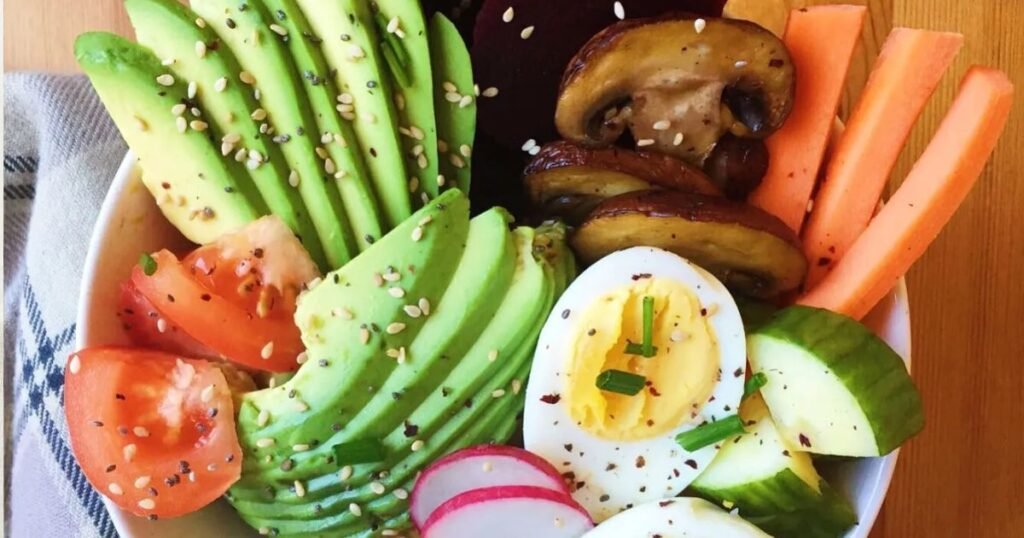
For example, a meal containing grilled salmon, brown rice, roasted broccoli, and avocado gives you protein, carbohydrates, fiber, vitamins, minerals, and unsaturated fats. Another meal could include black beans, brown rice, peppers, tomatoes, avocado, and plain yogurt.
A Simple Healthy Plate Method
A visual plate method can make healthy meal choices easier. Instead of weighing every ingredient, think about variety. Include vegetables or fruit, protein, and a carbohydrate-rich food such as whole grains or potatoes.
Your meals don’t have to look identical. Breakfast might be oatmeal with berries and walnuts. Lunch might be a chicken and vegetable sandwich. Dinner could be fish with potatoes and roasted vegetables.
Healthy Breakfast Ideas
A healthy breakfast can provide protein, fiber, and carbohydrates to start the day. Oatmeal with berries, chia seeds, and walnuts is one option. Eggs with whole-grain toast, spinach, and fruit are another.
If you’re not hungry early in the morning, you don’t necessarily need to force yourself to eat immediately. The bigger goal is making sure your overall diet provides enough essential nutrients.
Healthy Lunch and Dinner
Lunch and dinner can be built around the same basic formula. Choose a protein source, add vegetables, include a high-quality carbohydrate, and use healthy fats when appropriate.
A chicken grain bowl, lentil soup with whole-grain bread, salmon with roasted vegetables, or bean tacos with avocado can all fit into a balanced diet.
Healthy Eating Habits That Make a Difference
A healthy diet becomes easier when you develop healthy eating habits rather than depending on motivation. Keep nutritious foods visible, prepare ingredients ahead of time, drink water regularly, and make your kitchen environment support the choices you want to make.
You also don’t need to change everything at once. Replacing one sugary beverage with water each day, adding vegetables to lunch, or choosing whole grains more often can gradually improve your eating pattern.
Practice Mindful Eating
Mindful eating means paying attention while you eat. Slow down enough to notice flavors, textures, hunger, and fullness. Eating while distracted can make it easier to overlook your body’s signals.
You don’t need to make every meal a formal mindfulness exercise. Simply putting your phone away for part of a meal can make you more aware of what and how much you’re eating.
Read Food Labels
Nutrition Facts labels can help you compare similar products. Pay attention to serving size, calories, protein, dietary fiber, sodium, saturated fat, and added sugars.
Don’t focus on one number alone. A food with slightly more calories may also provide considerably more protein, fiber, vitamins, and minerals.
Cook More Often at Home
Cooking at home gives you more control over ingredients, cooking methods, and portion sizes. You can use less salt, add more vegetables, select healthier oils, and adjust recipes to suit your needs.
Cooking doesn’t have to be complicated. Sheet-pan meals, slow-cooker dishes, soups, grain bowls, and simple stir-fries can provide nutritious meals with relatively little preparation.
How to Plan Healthy Meals on a Budget
A healthy diet doesn’t have to be expensive. Some of the most nutritious foods are also affordable. Beans, lentils, oats, eggs, potatoes, frozen vegetables, seasonal fruits, brown rice, and canned fish can form the foundation of inexpensive meals.
The biggest money-saving tool is often meal planning. Before shopping, check your refrigerator, freezer, and pantry. Then create meals around foods you already have.
Affordable Nutrient-Dense Foods
Nutrient-dense foods don’t have to be specialty products. Oats provide whole grains and fiber. Beans provide protein and fiber. Eggs provide protein and several vitamins and minerals. Frozen vegetables provide convenience without requiring you to use them immediately.
Buying expensive “health foods” isn’t necessary for good nutrition. Simple ingredients can create excellent meals.
Fresh, Frozen, and Canned Foods
Fresh foods are nutritious, but frozen and canned options can also be valuable. Frozen vegetables may reduce food waste because they remain usable for much longer. Canned beans can save cooking time.
When choosing canned foods, look for products with lower sodium or rinse canned beans before eating them. When buying fruit, choose options without unnecessary added sugars.
Meal Prep for a Busy Schedule
Meal preparation doesn’t have to mean cooking seven identical meals on Sunday. Instead, prepare versatile ingredients. Cook a batch of rice, roast vegetables, prepare beans, or cook chicken and use these ingredients in different meals.
This approach saves time and can reduce reliance on takeout when your schedule becomes hectic.
Healthy Diet Tips for Different Ages and Lifestyles
Nutrition needs change throughout life. Children need adequate nutrients for growth and development, while older adults may need to focus more closely on protein, calcium, vitamin D, fiber, and hydration. Athletes have higher energy requirements, while pregnant and breastfeeding women have increased needs for several nutrients.
The basic principles remain similar. Eat a variety of nutritious foods, include different food groups, stay hydrated, and limit foods high in added sugars, sodium, and unhealthy fats. However, people with specific health conditions may need individualized advice.
Healthy Eating for Children and Teens
Children and teenagers need adequate energy and nutrients to support growth and development. Protein, calcium, iron, healthy fats, carbohydrates, fruits, vegetables, and whole grains all contribute to a nutritious eating pattern.
Good nutrition during childhood also supports cognitive development and brain health. Parents can encourage healthy choices by making nutritious foods available rather than turning certain foods into forbidden treats.
Healthy Eating for Adults
Adults can focus on maintaining a varied eating pattern that supports overall health, healthy body weight, and long-term wellness. Meals built around vegetables, fruits, whole grains, protein foods, and healthy fats can provide a strong nutritional foundation.
People trying to lose weight should avoid assuming that extreme calorie restriction is necessary. A sustainable reduction in energy intake, when appropriate, combined with nutritious foods and physical activity is generally more practical.
Healthy Eating for Older Adults
Older adults may face changes in appetite, digestion, dental health, activity levels, or nutrient absorption. These changes can make nutrient-dense foods especially important.
Protein-rich foods, calcium-rich foods, vegetables, fruits, whole grains, nuts, seeds, and adequate fluids can help support nutritional health. Individual needs vary, especially when medications or health conditions are involved.
Healthy Eating for Active People
Active people need enough energy to support exercise and recovery. Carbohydrates provide fuel for many types of physical activity, while protein supports muscle repair and maintenance.
Someone who exercises regularly may need more food than someone who spends most of the day sitting. Hydration also becomes particularly important during long or intense workouts.
Healthy Diet and Long-Term Health
The benefits of a healthy eating pattern extend beyond short-term energy. Over time, better food choices can contribute to disease prevention and support long-term health.
A diet rich in fruits, vegetables, whole grains, legumes, seafood, nuts, and seeds can provide fiber, vitamins, minerals, antioxidants, and healthy fats. These nutrients support many systems throughout the body.
Healthy Eating and Cardiovascular Health
Diet quality can play an important role in cardiovascular health. Eating patterns that emphasize vegetables, fruits, whole grains, beans, nuts, fish, and unsaturated fats can support heart health.
Keeping sodium intake under control may also help manage blood pressure, particularly for people who are sensitive to sodium.
Healthy Eating and Healthy Weight
A nutritious eating pattern can help support a healthy weight by emphasizing foods that provide nutrients and help with fullness. Protein, fiber, fruits, vegetables, and whole grains can make meals more satisfying.
However, obesity and unhealthy weight gain are influenced by many factors. Genetics, medications, sleep, stress, physical activity, environment, and medical conditions can all play a role.
Healthy Eating and Nutritional Deficiencies
Poor dietary variety can increase the risk of micronutrient deficiencies. Iron deficiency can affect oxygen transport and may contribute to anemia. Iodine deficiency can interfere with normal thyroid function.
A varied diet can help provide essential micronutrients. However, certain groups may require supplements or fortified foods based on individual circumstances. Nutrient deficiencies should be diagnosed and treated with appropriate professional guidance rather than self-diagnosis alone.
Healthy Eating and Immune Health
Nutrition supports normal immune function. Protein, zinc, vitamins A, C, D, E, and several other nutrients contribute to normal immune processes.
No single food can “boost” immunity overnight. Instead, consistent intake of nutritious foods supports immune health as part of a broader healthy lifestyle that includes sleep, physical activity, stress management, and appropriate medical care.
A Practical Example of a Healthy Eating Day
Consider someone with a busy American work schedule who wants to improve their diet without following a strict meal plan. Breakfast could include oatmeal topped with blueberries, walnuts, and plain Greek yogurt. This combination provides whole grains, fiber, protein, and healthy fats.
For lunch, a whole-grain turkey and vegetable sandwich with an apple could provide protein, vegetables, fruit, and complex carbohydrates. Dinner might include grilled salmon, roasted broccoli, and a baked potato with a small amount of olive oil.
For an afternoon snack, the person could choose carrots with hummus or a piece of fruit with peanut butter. Nothing about this day requires expensive ingredients or complicated recipes. The strength comes from the overall pattern.
“Healthy eating works best when nutritious choices become ordinary choices.”
Conclusion
A healthy diet doesn’t have to be complicated, restrictive, or expensive. The key is to build a balanced eating pattern around nutritious foods, including fruits and vegetables, whole grains, quality protein, healthy fats, and plenty of water. At the same time, try to limit excess added sugars, sodium, saturated fats, and highly processed foods.
Small changes, such as choosing better snacks, watching portion sizes, planning meals, and cooking more often at home, can make healthy eating easier to maintain. Remember, consistency matters more than perfection. By developing practical healthy eating habits that fit your lifestyle, you can support a healthy weight, better energy, heart health, and long-term well-being.
Frequently Asked Questions
What should I eat in a healthy diet?
Eat a variety of fruits and vegetables, whole grains, lean protein, healthy fats, and low-fat dairy or fortified alternatives.
How to make a 7-day diet plan?
Plan balanced meals for each day using different food groups, while keeping portions, calories, and nutrient needs in mind.
What is the 7 balance diet?
A balanced diet generally includes carbohydrates, protein, healthy fats, vitamins, minerals, fiber, and water in appropriate amounts.
How to eat healthy daily?
Choose mostly whole, nutrient-dense foods, drink enough water, control portion sizes, and limit added sugars, excess sodium, and highly processed foods.
What food is best for losing weight?
There isn’t one best food. Choose filling foods such as vegetables, fruits, whole grains, beans, eggs, fish, and lean protein while managing overall calorie intake.
Meta description
Healthy diet made simple: discover nutritious foods, balanced meals, healthy eating habits, and practical tips for everyday wellness.