Abstract
Polycystic ovary syndrome (PCOS) is a common hormonal condition that can make weight management more challenging. Many women with PCOS also experience insulin resistance, irregular menstrual cycles, acne, or excess hair growth, making a comprehensive approach to health especially important. While supplements cannot cure PCOS, some ingredients may support hormone balance, improve metabolic health, and complement healthy lifestyle changes. This guide explores the best supplements for PCOS weight loss and hormone balance, explains the science behind each option, and provides practical tips for choosing safe, evidence-based products that fit into an overall wellness plan.
Introduction
Polycystic ovary syndrome (PCOS) affects millions of women worldwide and is one of the most common hormonal disorders during the reproductive years. Although symptoms vary from person to person, many women experience weight gain, difficulty losing weight, irregular periods, acne, and insulin resistance. These challenges can make managing PCOS frustrating, especially when healthy habits don’t seem to produce the expected results.
While there is no single supplement that can treat PCOS, certain vitamins, minerals, and plant-based compounds have been studied for their potential to support hormone balance and metabolic health. When combined with a balanced diet, regular physical activity, quality sleep, and medical guidance, these supplements may help improve overall well-being and support healthy weight management. In this guide, we’ll explore the best supplements for PCOS weight loss and hormone balance, discuss their potential benefits, and explain how to choose products backed by scientific evidence.
Understanding PCOS and Weight Gain
Polycystic ovary syndrome (PCOS) is more than a reproductive health condition—it also affects metabolism and hormone regulation. Many women with PCOS experience insulin resistance, making it easier to gain weight and harder to lose it. Hormonal imbalances can also increase cravings, affect appetite, and reduce the body’s ability to use insulin efficiently. While supplements may provide additional support, they work best alongside healthy eating, regular physical activity, stress management, and quality sleep. Understanding how PCOS affects the body is the first step toward creating a sustainable and effective weight management plan.
Why PCOS Can Make Weight Loss More Difficult
Many women with PCOS have insulin resistance, meaning the body’s cells do not respond effectively to insulin. This can lead to higher insulin levels, which may encourage fat storage and make weight loss more challenging. Hormonal imbalances involving androgens and insulin can also increase hunger and cravings. Even with healthy habits, progress may feel slower than expected. A combination of medical guidance, balanced nutrition, physical activity, and targeted supplementation may help improve long-term results.
The Importance of Hormone Balance
Balanced hormones play an important role in overall health, including menstrual regularity, metabolism, energy levels, and fertility. For women with PCOS, improving hormone balance may help reduce some symptoms while supporting healthy weight management. Although supplements cannot “cure” hormonal imbalances, certain nutrients may support normal metabolic function and complement an overall treatment plan. Lifestyle changes remain the foundation of effective PCOS management.
Best Supplements for PCOS Weight Loss and Hormone Balance
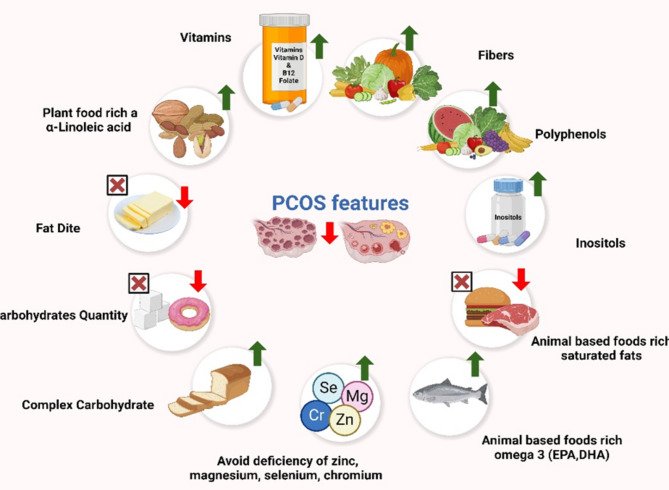
Research suggests that several supplements may support women with PCOS by improving insulin sensitivity, correcting nutrient deficiencies, or supporting metabolic health. While results vary from person to person, these supplements have shown the most promising evidence when combined with a healthy lifestyle. Before starting any supplement, consult your healthcare provider to determine whether it is appropriate for your individual health needs.
Inositol
Inositol is one of the most widely studied supplements for women with PCOS. Myo-inositol and D-chiro-inositol may help improve insulin sensitivity, support regular menstrual cycles, and promote healthy ovarian function. Some studies also suggest they may assist with weight management when combined with diet and exercise. Many healthcare professionals recommend a 40:1 ratio of myo-inositol to D-chiro-inositol, which closely reflects the body’s natural balance.
Vitamin D
Vitamin D deficiency is common among women with PCOS. Maintaining healthy vitamin D levels may support bone health, immune function, and insulin sensitivity. Some research suggests that correcting a deficiency may also contribute to improved metabolic health and menstrual regularity. Since vitamin D deficiency can only be confirmed through testing, it’s best to discuss supplementation and dosage with your healthcare provider.Omega-3 Fatty Acids.
Omega-3 Fatty Acids
Omega-3 fatty acids, commonly found in fish oil supplements, may help support heart health and reduce inflammation. Some studies suggest they may also improve triglyceride levels and support metabolic health in women with PCOS. While omega-3 supplements are not a weight loss solution, they may complement a healthy diet and active lifestyle as part of a comprehensive PCOS management plan.
Magnesium
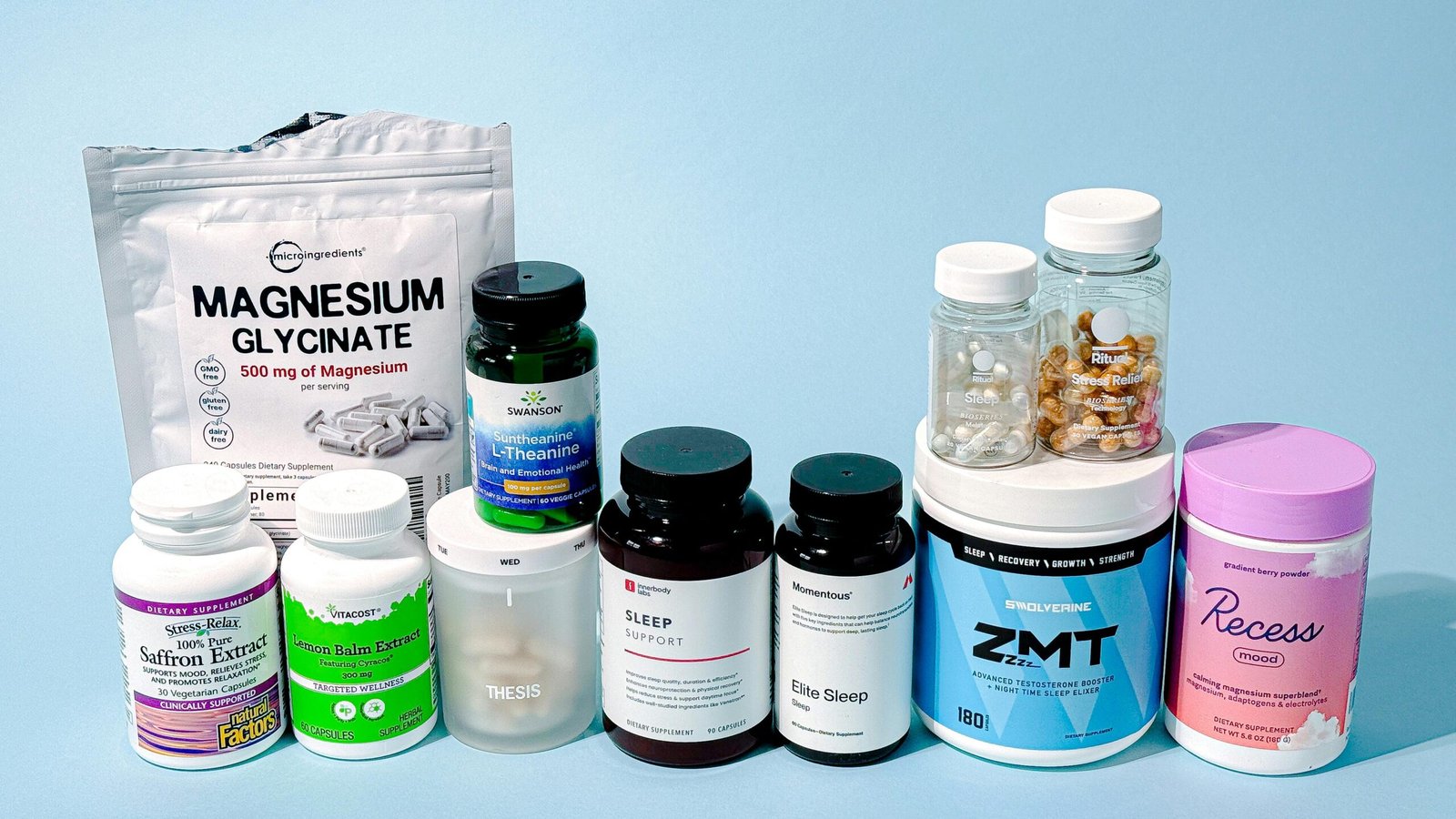
Magnesium is an essential mineral involved in hundreds of processes throughout the body, including muscle function, nerve health, and energy production. Some women with PCOS may have inadequate magnesium intake, and maintaining healthy levels may support normal blood sugar regulation and overall well-being. Magnesium supplements should be taken according to recommended doses, as excessive intake may cause digestive discomfort.
Berberine
Berberine is a plant-derived compound that has gained attention for its potential role in supporting insulin sensitivity and metabolic health. Some research suggests it may help improve blood sugar control and lipid levels in women with PCOS. Although these findings are promising, more high-quality studies are needed. Berberine may also interact with certain medications, so medical advice is recommended before use.
How to Choose the Right PCOS Supplement
Selecting the right supplement is an important step in managing PCOS. Not every product is suitable for everyone, and the best choice depends on your symptoms, medical history, and nutritional needs. Look for supplements that contain evidence-based ingredients in appropriate dosages rather than products with unnecessary fillers or proprietary blends. Reading labels carefully and purchasing from reputable brands can help ensure product quality and safety. Most importantly, supplements should complement not replace a healthy lifestyle and any treatment plan recommended by your healthcare provider.
Check the Ingredients and Dosage
Always review the supplement facts label before purchasing a product. Choose supplements that clearly list their active ingredients and recommended serving sizes. Avoid products that promise rapid weight loss or claim to “cure” PCOS, as these claims are not supported by scientific evidence. Following the recommended dosage is essential, since taking more than advised does not necessarily provide additional benefits and may increase the risk of side effects.
Choose Reputable Brands
Quality matters when selecting dietary supplements. Choose brands that follow Good Manufacturing Practices (GMP) and, when possible, have their products tested by independent third-party organizations for quality and purity. Reading customer reviews and researching the company’s reputation can also help you make a more informed decision. Reliable brands are transparent about their ingredients, manufacturing processes, and quality standards.
Lifestyle Habits That Support PCOS Management
Supplements are only one part of managing PCOS. A balanced diet rich in vegetables, fruits, whole grains, lean protein, and healthy fats can support overall health and improve insulin sensitivity. Regular physical activity, including both aerobic exercise and strength training, may also help with weight management and metabolic health. Getting enough sleep, staying hydrated, and managing stress through relaxation techniques or mindfulness can further support hormone balance. Small, consistent lifestyle changes often provide greater long-term benefits than relying on supplements alone.
Possible Side Effects and Safety Considerations
Although many PCOS supplements are generally well tolerated, they can still cause side effects or interact with certain medications. For example, berberine may affect blood sugar levels and interact with diabetes medications, while magnesium supplements may cause digestive discomfort if taken in high doses. Vitamin D should also be taken according to recommended amounts, as excessive intake can be harmful. If you are pregnant, breastfeeding, have a chronic medical condition, or take prescription medications, consult your healthcare provider before starting any new supplement.
Conclusion
Managing PCOS often requires a combination of healthy lifestyle habits, medical care, and, in some cases, targeted supplementation. While no supplement can cure PCOS, ingredients such as inositol, vitamin D, omega-3 fatty acids, magnesium, and berberine have shown promising results in supporting hormone balance and metabolic health. Choosing high-quality supplements, following recommended dosages, and maintaining a balanced diet and regular exercise routine can help support your overall well-being. For the best results, work with your healthcare provider to develop a personalized plan that addresses your specific symptoms and health goals.
Frequently Asked Questions (FAQs)
1. What is the best supplement for PCOS weight loss?
Research suggests that myo-inositol, particularly when combined with D-chiro-inositol in a 40:1 ratio, is among the most studied supplements for supporting insulin sensitivity and metabolic health in women with PCOS. However, the best supplement depends on your individual health needs.
2. Can supplements cure PCOS?
No. There is currently no cure for PCOS. Supplements may help support hormone balance, insulin sensitivity, and overall health, but they should be used alongside healthy lifestyle habits and medical care when needed.
3. Is vitamin D good for women with PCOS?
Vitamin D may benefit women with PCOS who have a deficiency. Maintaining healthy vitamin D levels supports bone health, immune function, and may contribute to better metabolic health. A blood test can determine whether supplementation is needed.
4. How long does it take for PCOS supplements to work?
The timeline varies depending on the supplement and individual factors. Some women may notice improvements within a few weeks, while others may require several months of consistent use along with healthy lifestyle changes.
5. Should I talk to my doctor before taking PCOS supplements?
Yes. It’s always recommended to consult a healthcare provider before starting any supplement, especially if you are pregnant, breastfeeding, have an underlying medical condition, or take prescription medications.
References
Azziz, R., Carmina, E., Chen, Z., et al. (2016). Polycystic ovary syndrome. Nature Reviews Disease Primers, 2, 16057. https://doi.org/10.1038/nrdp.2016.57
International Evidence-based Guideline for the Assessment and Management of Polycystic Ovary Syndrome. (2023). Monash University. https://www.monash.edu/medicine/mchri/pcos
National Institutes of Health, Office of Dietary Supplements. (2024). Vitamin D – Fact Sheet for Health Professionals. https://ods.od.nih.gov/factsheets/VitaminD-HealthProfessional/
National Institutes of Health, Office of Dietary Supplements. (2024). Magnesium – Fact Sheet for Health Professionals. https://ods.od.nih.gov/factsheets/Magnesium-HealthProfessional/
Unfer, V., Facchinetti, F., Orrù, B., Giordani, B., & Nestler, J. E. (2017). Myo-inositol effects in women with PCOS: A systematic review. International Journal of Endocrinology. https://doi.org/10.1155/2017/3204083
Medical Disclaimer
This article is for informational and educational purposes only and should not be considered medical advice. Dietary supplements are not intended to diagnose, treat, cure, or prevent any disease. If you have PCOS or experience symptoms such as irregular periods, unexplained weight gain, or infertility, consult a qualified healthcare provider for an accurate diagnosis and personalized treatment plan. Always seek medical advice before starting any new supplement, especially if you are pregnant, breastfeeding, have a medical condition, or take prescription medications.