

Omega-3 fatty acids are among the most popular dietary supplements because they support heart health, brain function, eye health, and overall well-being. Two of the most common sources are fish oil and krill oil. Although both provide the essential omega-3 fatty acids EPA and DHA, they differ in their source, absorption, nutrient composition, and cost. Many people wonder which option offers greater health benefits and whether paying more for krill oil is worthwhile. Understanding the differences between these supplements can help consumers choose the product that best matches their nutritional needs, lifestyle, and long-term health goals.
What Is Fish Oil?
Fish oil is extracted from oily fish such as salmon, sardines, anchovies, and mackerel. It is one of the most widely used omega-3 supplements because it provides high amounts of EPA (eicosapentaenoic acid) and DHA (docosahexaenoic acid), two fatty acids linked to several important health benefits. These nutrients support normal heart function, brain development, eye health, and healthy inflammatory responses. Fish oil supplements are available in soft gels, liquid formulas, and concentrated capsules with varying strengths. Because fish oil has been extensively studied, it remains a trusted option for individuals seeking to increase their daily omega-3 intake.
What Is Krill Oil?
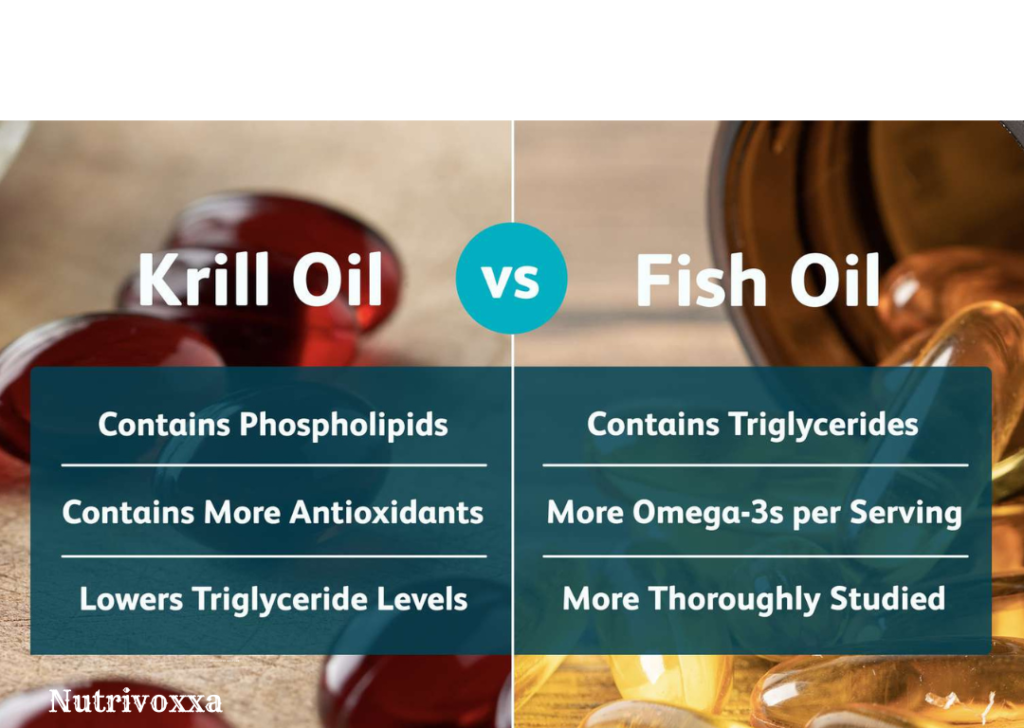
Krill oil is obtained from tiny shrimp-like crustaceans called Antarctic krill. Like fish oil, it provides EPA and DHA, but these omega-3 fatty acids are primarily attached to phospholipids rather than triglycerides. Some research suggests this form may improve absorption, although overall health benefits appear similar when equivalent amounts of EPA and DHA are consumed. Krill oil naturally contains astaxanthin, a powerful antioxidant that helps protect the oil from oxidation and contributes additional nutritional value. Because harvesting methods and production costs differ, krill oil supplements are generally more expensive than standard fish oil products.
Fish Oil vs. Krill Oil: Key Differences
Although both supplements provide valuable omega-3 fatty acids, several important differences may influence purchasing decisions. Fish oil typically contains higher amounts of EPA and DHA per serving, making it easier to meet daily omega-3 requirements at a lower cost. Krill oil contains phospholipid-bound omega-3s and naturally occurring astaxanthin, features that many consumers find appealing. The choice often depends on personal preferences, budget, supplement tolerance, and specific health goals. Rather than assuming one product is universally better, comparing their individual characteristics provides a more balanced understanding of their potential advantages.
Omega-3 Content
Fish oil generally delivers a higher concentration of EPA and DHA than krill oil, particularly in concentrated formulations. This allows individuals to consume larger amounts of omega-3 fatty acids with fewer capsules. Krill oil usually contains lower total omega-3 levels per serving but provides these fats in phospholipid form, which some studies suggest may improve absorption. However, current research indicates that both supplements effectively increase omega-3 levels when taken consistently. Comparing the actual EPA and DHA content on supplement labels is more important than simply comparing serving sizes or capsule numbers when choosing between products.
Absorption and Bioavailability
One of the most commonly discussed differences between fish oil and krill oil is absorption. Omega-3 fatty acids in krill oil are attached to phospholipids, while those in most fish oil supplements are present as triglycerides or ethyl esters. Some research suggests phospholipid-bound omega-3s may be absorbed more efficiently by the body. However, the overall clinical significance of this difference remains uncertain because both forms effectively increase blood omega-3 levels with regular supplementation. For most healthy adults, selecting a quality supplement and taking it consistently is likely more important than focusing solely on absorption differences.
Health Benefits Comparison
Both fish oil and krill oil provide EPA and DHA, two omega-3 fatty acids that support several important aspects of health. Research suggests these nutrients contribute to normal heart function, brain health, eye health, and healthy inflammatory responses. Fish oil has been studied for decades and has a large body of scientific evidence supporting its benefits. Krill oil offers similar advantages and also contains the antioxidant astaxanthin, which may help protect cells from oxidative stress. While some people prefer krill oil because of its unique composition, both supplements can be effective when used consistently as part of a balanced lifestyle.
Side Effects
Fish oil and krill oil are generally well tolerated when taken according to recommended dosages. However, some individuals may experience mild digestive discomfort, fishy aftertaste, nausea, or occasional burping, especially with fish oil supplements. Krill oil is often reported to cause fewer fishy burps, although experiences vary. People with seafood allergies should use caution because both supplements are derived from marine sources. In addition, individuals taking blood-thinning medications should consult a healthcare professional before starting omega-3 supplements, as higher doses may increase the risk of bleeding in some situations.
How to Choose Between Fish Oil and Krill Oil?
Selecting the right omega-3 supplement depends on your health goals, budget, and personal preferences. If you want higher amounts of EPA and DHA at a more affordable price, fish oil is often the better choice. If you prefer smaller capsules, value the inclusion of astaxanthin, or are interested in phospholipid-based omega-3s, krill oil may be worth considering. Regardless of the option you choose, look for supplements that have been independently tested for purity and quality. Checking the EPA and DHA content on the label is more important than focusing only on the brand name.
Which One Is Better?
There is no universal winner because both fish oil and krill oil offer valuable health benefits. Fish oil remains the most popular choice due to its higher omega-3 concentration, extensive scientific research, and lower cost. Krill oil may appeal to individuals seeking an alternative form of omega-3 with naturally occurring astaxanthin and potentially better tolerability. Ultimately, the best supplement is the one that fits your nutritional needs, budget, and lifestyle while providing adequate amounts of EPA and DHA. Consistency and overall dietary habits have a greater impact on long-term health than choosing one source over the other.
Frequently Asked Questions
Is krill oil better than fish oil?
Krill oil is not necessarily better than fish oil. Both provide beneficial omega-3 fatty acids, including EPA and DHA. Fish oil usually contains higher amounts of these nutrients per serving, while krill oil offers phospholipid-bound omega-3s and the antioxidant astaxanthin. The best choice depends on your individual health goals and preferences.
Which supplement contains more omega-3?
Fish oil generally contains higher concentrations of EPA and DHA than krill oil. This means fewer capsules may be needed to achieve the same daily omega-3 intake. Always compare the EPA and DHA amounts listed on the product label rather than the total amount of oil.
Does krill oil cause fewer fishy burps?
Many users report that krill oil causes fewer fishy burps compared to traditional fish oil. However, experiences differ from person to person. Choosing enteric-coated fish oil capsules or taking supplements with meals may also help reduce this side effect.
Can I take omega-3 supplements every day?
For many healthy adults, daily omega-3 supplementation is considered safe when taken according to recommended dosages. However, people with medical conditions, seafood allergies, or those taking blood-thinning medications should consult a healthcare professional before starting long-term supplementation.
What should I look for when buying an omega-3 supplement?
Look for products that clearly state the amounts of EPA and DHA per serving rather than only the total fish oil content. Choose reputable brands that undergo third-party testing for purity, freshness, and contaminants such as heavy metals. Quality is often more important than price alone.
Conclusion
Fish oil and krill oil are both excellent sources of omega-3 fatty acids and can support heart health, brain function, eye health, and overall wellness. Fish oil offers higher EPA and DHA levels at a lower cost, making it a practical option for most people. Krill oil provides similar benefits while adding phospholipid-bound omega-3s and the antioxidant astaxanthin, which some consumers find appealing. Instead of focusing on which supplement is universally better, consider your personal health goals, budget, and preferred supplement type. Choosing a high-quality product from a trusted manufacturer and taking it consistently is the most effective approach to increasing your omega-3 intake and supporting long-term health.