Abstract
Low energy and persistent fatigue can affect daily life, making even simple tasks feel challenging. While many factors contribute to tiredness, vitamin B12 deficiency is one possible cause, especially in older adults, vegetarians, vegans, and people with certain digestive conditions. Vitamin B12 plays an essential role in red blood cell production, nerve function, and energy metabolism. This guide explores the best vitamin B12 supplements for low energy and fatigue, explains how they work, and provides practical tips for choosing a safe, high-quality product. You’ll also learn who may benefit from supplementation, possible side effects, and healthy lifestyle habits that support long-term energy and overall well-being.
Introduction
Feeling tired from time to time is normal, but ongoing fatigue or low energy may be a sign that your body isn’t getting the nutrients it needs. One important nutrient linked to energy production is vitamin B12. This essential vitamin helps your body produce healthy red blood cells, supports nerve function, and plays a key role in converting food into usable energy. When vitamin B12 levels are too low, symptoms such as fatigue, weakness, poor concentration, and shortness of breath may develop.
Vitamin B12 supplements can help people with a confirmed deficiency or those at higher risk of low vitamin B12 levels. However, they are not intended to replace a balanced diet or treat fatigue caused by other medical conditions. In this guide, we’ll review the best vitamin B12 supplements for low energy and fatigue, compare different forms of vitamin B12, discuss their potential benefits, and explain how to choose the right option based on your individual needs. This evidence-based approach will help you make informed decisions while supporting your overall health.
Understanding Vitamin B12 and Its Role in Energy
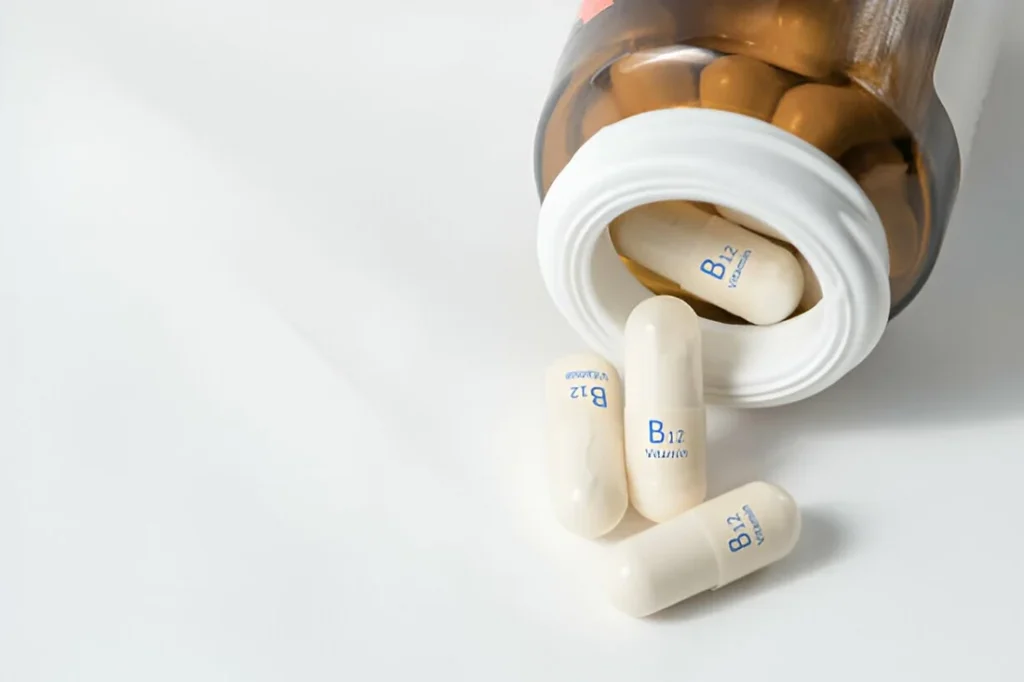
Vitamin B12 is an essential nutrient that helps your body function properly. It plays a key role in producing healthy red blood cells, supporting the nervous system, and converting the food you eat into usable energy. Without enough vitamin B12, your body may struggle to make red blood cells efficiently, which can reduce oxygen delivery to tissues and lead to fatigue or weakness. While supplements can help correct a deficiency, they work best when used under the guidance of a healthcare provider and alongside a balanced diet rich in essential nutrients.
Why Vitamin B12 Is Important
Vitamin B12 supports several important functions in the body, including DNA production, nerve health, and red blood cell formation. It also helps convert carbohydrates, fats, and proteins into energy that your body can use throughout the day. Adults who follow vegetarian or vegan diets, older adults, and individuals with digestive disorders may have a higher risk of vitamin B12 deficiency. Maintaining healthy vitamin B12 levels supports normal body functions and may help reduce fatigue caused by a confirmed deficiency.
Common Signs of Vitamin B12 Deficiency
A vitamin b12 deficiency can develop slowly, and the symptoms may be mild at first. Common signs include persistent tiredness, weakness, pale skin, shortness of breath, dizziness, tingling or numbness in the hands and feet, memory problems, and difficulty concentrating. Because these symptoms can have many different causes, it’s important to seek medical advice and, if appropriate, have your vitamin B12 levels checked before starting supplementation.
Best Vitamin B12 Supplements for Low Energy and Fatigue
Vitamin B12 supplements are available in several forms, and each can help increase vitamin B12 levels when used appropriately. The best choice depends on your age, dietary habits, health conditions, and your healthcare provider’s recommendations. Choosing a high-quality supplement from a trusted manufacturer can help ensure safety and effectiveness.
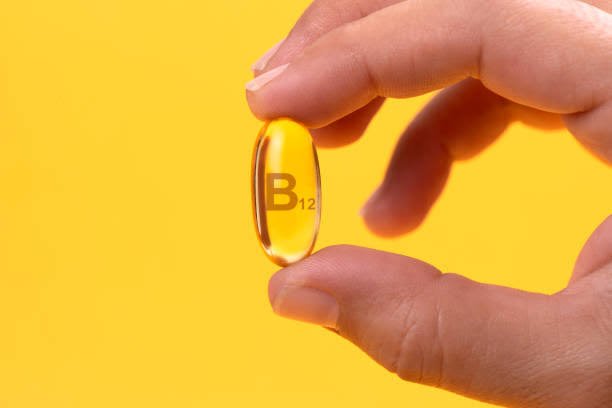
Methylcobalamin
Methylcobalamin is one of the active forms of vitamin B12 and is commonly found in dietary supplements. It supports normal nerve function and red blood cell production and is often chosen by people looking to maintain healthy vitamin B12 levels. It is available as tablets, capsules, and sublingual lozenges, making it a convenient option for daily use.
Cyanocobalamin
Cyanocobalamin is one of the most widely used forms of vitamin B12 because it is stable, effective, and affordable. After absorption, the body converts it into active forms that it can use. Many multivitamins and standalone vitamin B12 supplements contain cyanocobalamin, making it a practical choice for most healthy adults with low vitamin B12 intake.
Adenosylcobalamin
Adenosylcobalamin is another naturally occurring form of vitamin B12 that supports energy metabolism at the cellular level. Although it is less common than methylcobalamin or cyanocobalamin, some supplements combine multiple forms of vitamin B12 to provide broader nutritional support. Research is still ongoing to determine whether one form offers significant advantages over another for most people. Hydroxocobalamin
Hydroxocobalamin
Hydroxocobalamin is commonly used in prescription vitamin B12 injections to treat severe deficiencies. It remains in the body longer than some other forms, allowing healthcare providers to administer it less frequently. This form is generally recommended only under medical supervision and is not typically used as an over-the-counter supplement.
Vitamin B12 Gummies
Vitamin B12 gummies offer a simple and enjoyable alternative for people who have difficulty swallowing tablets or capsules. They can help maintain healthy vitamin B12 levels when taken as directed. However, it’s important to check the nutrition label, as some gummy supplements contain added sugars or artificial ingredients that may not be suitable for everyone.
How to Choose the Right Vitamin B12 Supplement
Choosing the right vitamin B12 supplement can make a difference in supporting your health goals. While many products contain the same vitamin, they may vary in dosage, form, quality, and additional ingredients. Consider your age, dietary habits, and any underlying health conditions before making a choice. If you have a diagnosed vitamin B12 deficiency or a medical condition that affects absorption, consult your healthcare provider for personalized advice. Selecting a reputable brand with transparent labeling and quality testing can also help ensure you’re getting a safe and reliable product.

Consider the Form of Vitamin B12
Vitamin B12 supplements are available in tablets, capsules, gummies, sublingual lozenges, liquids, and injections. Most healthy adults can benefit from oral supplements, while injections are usually reserved for people with severe deficiencies or absorption problems. The best form depends on your personal preference, health condition, and your healthcare provider’s recommendation rather than marketing claims.
Check the Dosage and Quality
Always choose a supplement from a trusted manufacturer that clearly lists the amount and type of vitamin B12 on the label. Look for products that follow Good Manufacturing Practices (GMP) or have third-party quality testing. Avoid buying supplements that contain unnecessary fillers or make unrealistic claims such as providing instant energy or curing fatigue overnight.
Possible Side Effects and Safety Tips
Vitamin B12 supplements are generally considered safe when taken as directed. Most people tolerate them well, and serious side effects are uncommon. However, some individuals may experience mild effects such as headache, nausea, diarrhea, or skin irritation. Taking more than the recommended dose is usually unnecessary unless advised by a healthcare provider. If you develop unusual symptoms or have an allergic reaction after taking a supplement, stop using it and seek medical attention. Always discuss supplementation with your healthcare provider if you are pregnant, breastfeeding, or taking prescription medications.
Natural Ways to Support Healthy Energy Levels
Although vitamin B12 is important, maintaining healthy energy levels requires a well-rounded lifestyle. Eat a balanced diet rich in lean protein, fruits, vegetables, whole grains, and healthy fats to provide your body with essential nutrients. Staying physically active, drinking enough water, managing stress, and getting seven to nine hours of quality sleep each night also contribute to sustained energy. If your fatigue continues despite healthy habits, consult a healthcare professional to identify any underlying medical causes that may require treatment.
Frequently Asked Questions (FAQs)
1. What is the best vitamin B12 supplement for low energy?
Methylcobalamin and cyanocobalamin are among the most commonly recommended forms of vitamin B12. The best choice depends on your individual health needs and your healthcare provider’s advice.
2. How long does it take for vitamin B12 supplements to work?
People with a vitamin B12 deficiency may notice improvements within a few weeks, although the exact timeline varies depending on the severity of the deficiency and the treatment plan.
3. Can I take vitamin B12 every day?
Many vitamin B12 supplements are designed for daily use. Always follow the dosage instructions on the product label or those provided by your healthcare provider.
4. Who is most at risk of vitamin B12 deficiency?
Older adults, vegetarians, vegans, people with digestive disorders, and individuals taking certain medications may have a higher risk of developing a vitamin B12 deficiency.
5. Can vitamin B12 supplements boost energy if I’m not deficient?
Vitamin B12 helps support normal energy metabolism, but current evidence does not show that it increases energy levels in people who already have adequate vitamin B12 levels. If fatigue persists, consult a healthcare provider to determine the underlying cause.
Conclusion
Vitamin B12 is an essential nutrient that supports red blood cell production, nerve function, and normal energy metabolism. If low energy or fatigue is caused by a vitamin B12 deficiency, the right supplement may help restore healthy vitamin B12 levels and improve overall well-being. However, supplements work best when combined with a nutritious diet and healthy lifestyle habits rather than used as a quick fix. Before starting any supplement, choose a high-quality product, follow the recommended dosage, and seek professional medical advice if you have ongoing symptoms or underlying health conditions.
Medical Disclaimer
This article is for educational and informational purposes only and should not be considered medical advice. Vitamin B12 supplements are not intended to diagnose, treat, cure, or prevent any disease. If you experience persistent fatigue, low energy, or symptoms of a vitamin B12 deficiency, consult a qualified healthcare provider for proper evaluation and treatment. Always seek professional medical advice before starting any new supplement, especially if you are pregnant, breastfeeding, have a medical condition, or take prescription medications.
References
- National Institutes of Health, Office of Dietary Supplements. (2024). Vitamin B12 – Fact Sheet for Health Professionals.
- National Health Service. (2024). Vitamin B12 or folate deficiency anaemia.
- Mayo Clinic Staff. (2024). Vitamin B12.
- Harvard T.H. Chan School of Public Health. (2024). The Nutrition Source: Vitamin B12.
- O’Leary, F., & Samman, S. (2010). Vitamin B12 in health and disease. Nutrients, 2(3), 299–316.